Showing posts with label sinpu. Show all posts

Sunday, January 23, 2011

Sinpu Persimmon Stencil#1


Sinpu Workshop
Persimmon skin juice stencil

신푸공방
감즙스텐실

20 Jan 2011


Sinpu is town of persimmon
Its dried persimmon is well known local specialty
Before going back to my country,
 I could have a special chance to visit Sinpu workshop
see how to dye fabric with persimmon juice
and do nice stencils on a bag

신푸는 감의 마을이에요
곶감은 마을의 잘 알려진 특산품이죠
고국으로 돌아가기전에 신푸공방에 방문해서
감즙으로 천을 염색하는 방법도 보고
가방에 스텐실 할 기회도 생겼어요


Dyeing fabric with persimmon skin juice
감껍질즙으로 천 염색하기


First, soak and wash fabric in the water of persimmon skin juice and chemical to make a dye
첫번째로 감껍질즙과 염색약으로 만들기 위한 화학약품이 섞인 물에
천을 담가서 빱니다.


Second, wring out the fabric with hands
두번째로 손으로 천을 꼭 짭니다


Then, tie up the each end of fabric to a bar with a rope 
그 다음에 천의 각 끝을 막대기에 밧줄로 잘 묶습니다


hang up the fabric
천을 겁니다
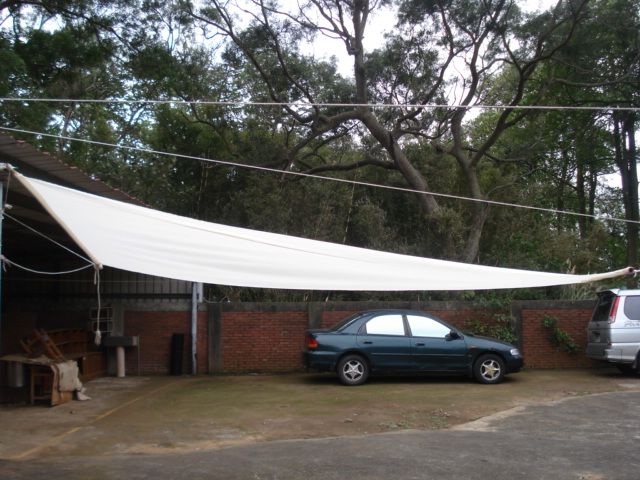

The last of the process is drying off with wind
끝으로 천을 바람에 잘 말립니다


They repeat the process until the colour they want comes out
원하는 색이 나올때까지 이 과정을 반복하게 되요


The white fabric turns into unique red colour
하얀 천이 특이한 빨간색으로 바꼈어요


To add some patterns, they crumple the fabric
패턴을 추가하기 위해서 천을 구겨놓았어요


sometimes they put some iron to add darker colour
가끔은 더 어두운 색을 넣기위해 철분을 넣기도 해요


fabric with different patterns
다른 패턴의 천들


To make the patterns above,
they use stencil and put some wet persimmon skin juice powder on the fabric
  위와 같은 패턴을 만들기 위해서
스텐실 방법을 사용해서 젖은 감껍질즙 가루를 천 위에 발라요


when the powder is dried off
it becomes easy to get rid of
after getting rid of all the powder?
 only the patterns remains on the fabric
가루가 다 마르면 가루 떼어내기가 쉬워져요
가루를 다 떼어내면요?
패턴만 천 위에 그대로 남게되죠


bags dyed with persimmon skin juice
 감껍질즙으로 염색된 가방들


pouches dyed with persimmon skin juice
감껍질즙으로 염색된 주머니들


See this variety of patterns!
The fabric is unexpectedly very soft and the colours are very unique
All hand made
다양한 무늬 좀 보세요!
예상외로 천도 굉장히 부드럽고, 색깔도 굉장히 특이하죠
전부 수공예에요


Sinpu Workshop is located in Sinpu township
:-)
신푸 공방은 신푸타운에 있답니다

Monday, January 17, 2011

Jiuchong Hu Street

It has been teeming with rain
trees have been swaying in the wind  
I don't know when it will stop

이틀동안 비가 세차게 내리고 있어요
나무도 바람에 휘날리구요
언제 멈출지 모르겠어요

so, I will show some street photos of Jiuchong Hu when it is sunny

그래서 날씨가 맑을 때의 조총후 길가 모습을 보여드릴께요


Bald cypress
Jiuchong Hu is famous as habitat of biggest and most bald cypress in Taiwan

낙엽송이에요
조총후는 대만에서도 제일 크고, 많은 낙엽송 서식지로 유명하죠


This are the aerial roots of Bald cypress, called "knees"

대지 밖으로 나와있는 낙엽송의 뿌리에요
"무릎"이라고 불려요


Bald cypress is green when summer and turns into gold when winter

낙엽송은 여름에는 초록색이지만 겨울에는 황금색으로 바뀝니다


"Knees" of Bald cypress
낙엽송의 '무릎'


Cute toilet :D

화장실이에요

Detailed, huh?

완전 디테일하죠?ㅋ


family shrine
가족사당이에요


Sweet potato
another specialty of Jiuchong Hu

고구마에요
조총후의 또다른 특산품이죠


Tangerine
did you know tangerine peel goes thick and black when it gets too much sun?
It just looks like a rock on a tree

귤이에요
귤이 햇빛을 너무 많이 받으면 까매지고 딱딱해 지는거 알고 계셨어요?
그냥 나무에 달린 돌멩이 같아요


End
끝


I just hope this rain finishes and see nice sunshine again
bye bye

이 비가 멈추고 빨리 햇빛이나 봤으면 좋겠어요
바이바이

Tuesday, January 4, 2011

Way to Sinpu/Jiuchong Hu 조총후오는법

Car
Take Sun Yat-sen Experssway to the Zhubei Interchange and continue on County Hwy 118 ->Xinpu township
차로는 선옛산 고속도로를 타고 주뻬이로 갈아타셔서 county Hwy118 도로를 쭉 타고 오시다가 신푸읍으로 오시면 됩니다.

THSR(Taiwan High Speed Rail)
Take the THSR to Hsinchu Station, transfer to the bus
fare from Taipei: $290NT adult $145NT student
THSR station website (고속전철역 웹싸이트)
고속전철로는 신추역으로 오셔서 버스로 갈아타시면 되요
비용은 대만돈으로 어른으로 $290 그리고 학생으로 $145입니다.

Bus
From THSR station : Take the Hsinchu bus to Xinpu
From Hsinchu Train Station : Take the Bus 5618,5619 or 5620 to Sinpu Township
fare: $46NT (Jan of 2011)
Xinpu to Jiuchong Hu map (신푸에서 조총후 오는 지도)
버스
고속전철역에서 : 신푸로 오는 신추버스를 타세요
신추전철역에서 : 5618,5619 또는 5620버스를 타고 신푸에서 내리시면 됩니다
                               요금은 $46이에요

Useful words when you travel Jiuchong Hu

Zhaomen is a Hakka word, meaning empty holes between mountains. The wider area is called "lake" and the narrower area is called "cave". Lake is 'hu' in Chinese and cave is 'wo'. In the early times Hakka people came and gathered living around the lake and cave and they named this places after the name of plants, which grew most around the place, Fargesia spathacea Franch(Jian jhu bamboo)and Southern Crepemyrtle(Jiuchong tree). Therefore, Zhaomen indicates the whole area of both Jiuchong Hu and Jianjhu Wo.


자오멘은 산 사이의 빈 지형을 가리키는 하카어입니다. 넓은 지형은 호수고 얇은 지형은 동굴이죠. 중국어로 호수는 '후' 이고 동굴은 '워'입니다. 처음에 하카 사람들이 이 호수와 동굴쪽으로 와서 모여 살기 시작했고 이 곳 주변에서 가장 많이 볼 수 있는 식물의 이름을 따서 이름을 지었어요. 진쭈대나무와 조총나무입니다. 그러니까 자오멘은 조총후(조총나무가 많은 호수)와 진쭈워(진쭈대나무가 많은 동굴) 이 두곳을 모두 가리키는 말인거죠.


Then, you will ask, "What is Hakka?" I asked the same question but nobody could explain this clearly so, I've researched on the internet and here it goes.
Hakka people, also known as Hakka Han are Han chinese who speak the Hakka language. It is said that their ancestors came from the central China centuries ago. After arriving in Taiwan, they faced its diverse geographic and ethnic environment. To survive as a minor group, they had to develop a new identity and change according to local conditions. This new Hakka society created their unique culture in a fusion of culture of original homeland culture and of local indigenous Taokas people.


그러면 "하카는 뭐야?"하고 물으실겁니다. 저도 같은 질문을 했지만 아무도 제대로 설명을 못해주길래 인터넷으로 직접 찾아봤습니다.
하카사람 또는 하카 한으로 불리는 이 사람들은요 한나라 시대 중국인들로 하카어를 사용합니다. 조상들이 몇세기 전에 센트랄중국에서 넘어왔다고 합니다. 그들은 대만에 도착한 후에, 다양한 지역환경과 문화환경에 맞닥뜨렸습니다. 소수민족으로써 생존 하기위해 그들은 새로운 주체성을 발달시키고, 지역환경에 맞춰 변화해야만 했습니다. 이 새로운 하카사회는 그들의 고향문화와 지역 원주민이 타오카스 사람들의 문화를 섞은 새로운 문화를 탄생시켰습니다.


Next question, "What is so special about Hakka cuisine and what is it?" The two most popular Hakka foods are ciba rice cake and lei tea(lei-cha), which are I have already shown in the earlier post.


다음 질문으로는, 그렇다면 "대체 하카음식이 뭐가 특별하고 그게 대체 무엇이냐?"가 되겠습니다. 하카음식 중 가장 유명한 음식 중 두개는 먼젓번 포스트에서도 보여드린 시바떡과 레이차 입니다.

ciba rice cake  시바떡
lei cha  레이차

The three characteristics of traditional Hakka cuisine are "salt, fragrance and fat". The flavour has also been changed over times to the traditional Hakka cuisine but its racy flavour, special spices, dipping sauces,and unique pickled vegetables are still loved by most of Taiwanese as well as other tourists.


하카음식의 세가지 포인트는 짜고, 향이 있고, 기름지다 라는 겁니다. 맛 역시 시간이 지나면서 옛날의 원래하카음식과는 달라졌지만 그 특유의 맛과, 특별한 향신료, 소스 그리고 고유의 짱아찌들은 여전히 대만사람들과 관광객들에게 사랑받고 있습니다.


About 90% of Sinpu residents are Hakka. As a result, it is rich in Hakka cuisine and culture. Jiuchong Hu in particulare has the most famous and best Hakka dishes. Come and feel the difference!


약 90%의 신푸사람들이 하카사람입니다. 결과적으로 하카음식도 하카문화도 풍부한 곳이죠. 조총후에서는 특히 가장 유명하고 맛있는 하카음식을 맛볼수 있습니다. 오셔서 그 차이점을 느껴보세요.


Additional Vocab.

Languages of Taiwan : Hakka, Mandarin, Hokkien and Formosan
Hakka is spoken by Hakka people that is quite different to Mandarin and Hokkien. spoken mostly by rural people at old age.
Mandarin is a traditional Chinese.
Hokkien is pronounced same as Mandarin but uses simplified letter form.
Formosan is the language of Taiwanese aboriginal people, rarely spoken.


대만에서 사용되는 네가지 언어: 하카, 만다린, 호키엔 그리고 포르모산
하카는 하카사람들이 쓰는 언어로 만다린과 호키엔과는 아주 다릅니다. 주로 시골의 어르신들이 사용하죠.
만다린은 표준중국말입니다.
호키엔은 만다린과 발음은 같지만 더 심플한 중국글자를 씁니다.
포르모산은 타이완 원주민들의 언어로 잘 사용되지는 않아요.

Tuesday, December 28, 2010

Ngie in Taiwan


My third week in Taiwan has already started and now I am starting my blog :D

Just don't get a wrong idea. It is not like I am starting this late because of my laziness. I didn't bring my laptop so I needed some time to get used to this Taiwanese computer. Since I got here, they provided me two computers. One in the room and the other one in the office. When I use the one in the office, I have to be extra careful. Otherwise, it will just be turned off without a warning and blow all my works.-_- Zhi Xiang at the same office promised me to find another one by end of this week -u-* and I let you know that this computer has just rebooted again-9th time of the day. 

Let me introduce a bit of myself and a bit of my life here.

I'm Angela, a Korean from New Zealand. I came to Taiwan on 13th of Dec. Patty(Pei Jung Tsui) is my TN manager and on the day I arrived here, she and Ivory came to pick me up. 


Patty,Ivory and Me


I am living at Jiuqiong(Jiuchong) Hu in Shinpu township in Hsinchu county. Only two days ago, I had a roommate called Connie from Malaysia but she had gone back to her country so now there is no one who speaks English in this house. No, I was wrong. Here are at least two people who can speak broken English that is much better than my Chinese.

I wake up at 8.30 am, have breakfast at 8.50 am and start working at 9am til 6pm.
During working hours, I design some mascot charaters for this village and translate some English articles into Korean. I teach English to Zhi Xiang, the other Taiwanese worker, for an hour, write blogs and sometimes join to community activities and take photos. Later after 3 weeks, I have to record a video about this village and my life here and Taiwan. After 6pm, I am free to go but there is no transportation to get me to the town so I stay at home and watch some Chinese movies with English subtitles. If I am lucky, I can go on a trip to near places with Zhi Xiang :D

This is it. My everyday life here at Jiuchong Hu.

Does it sound bit boring? My weekdays? Yes, sure it is. That's why I wait my weekends so much><. Every weekend, I plan to go out and see Taiwan. I already had two great trips for the last two weeks with friends I met here. So, just wait. It won't be long.